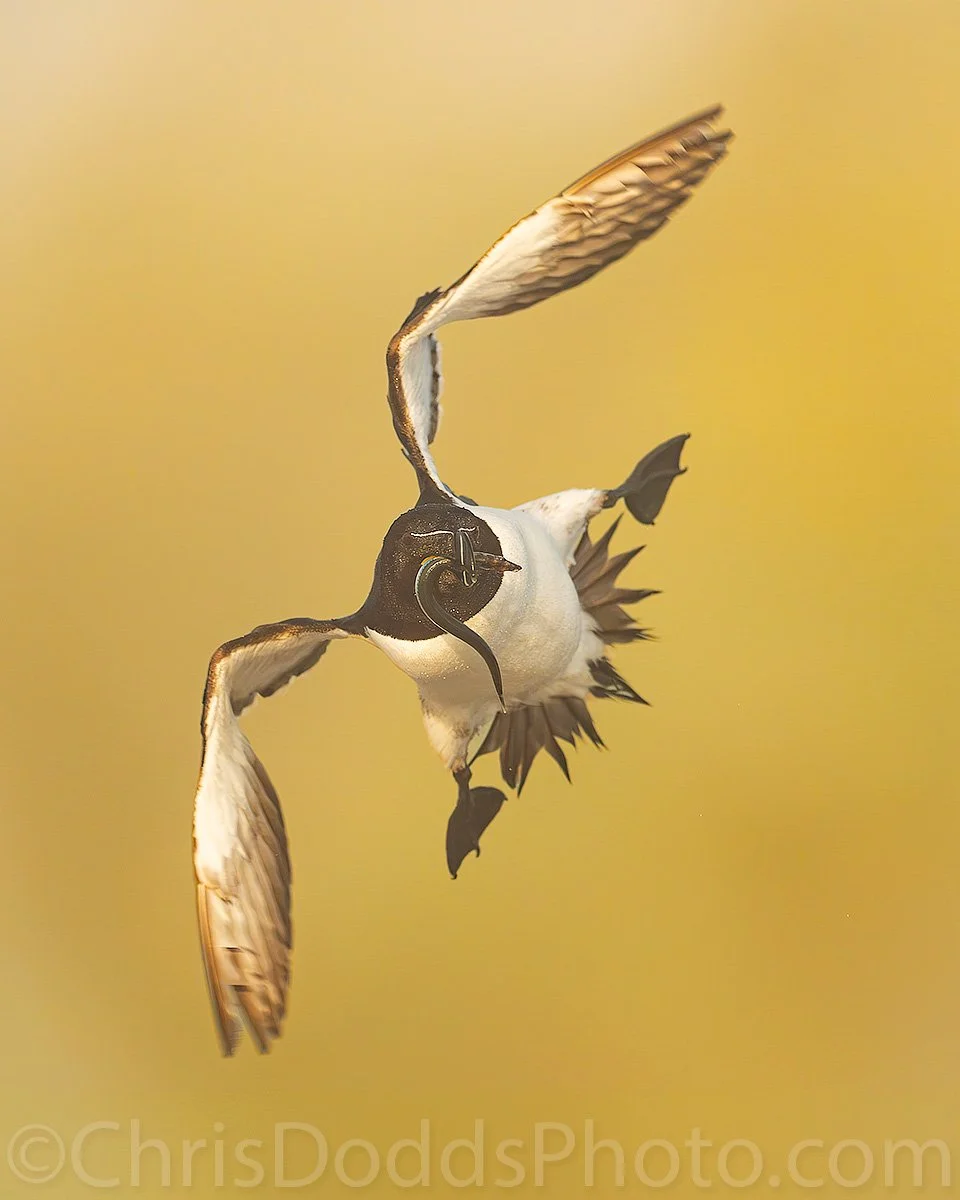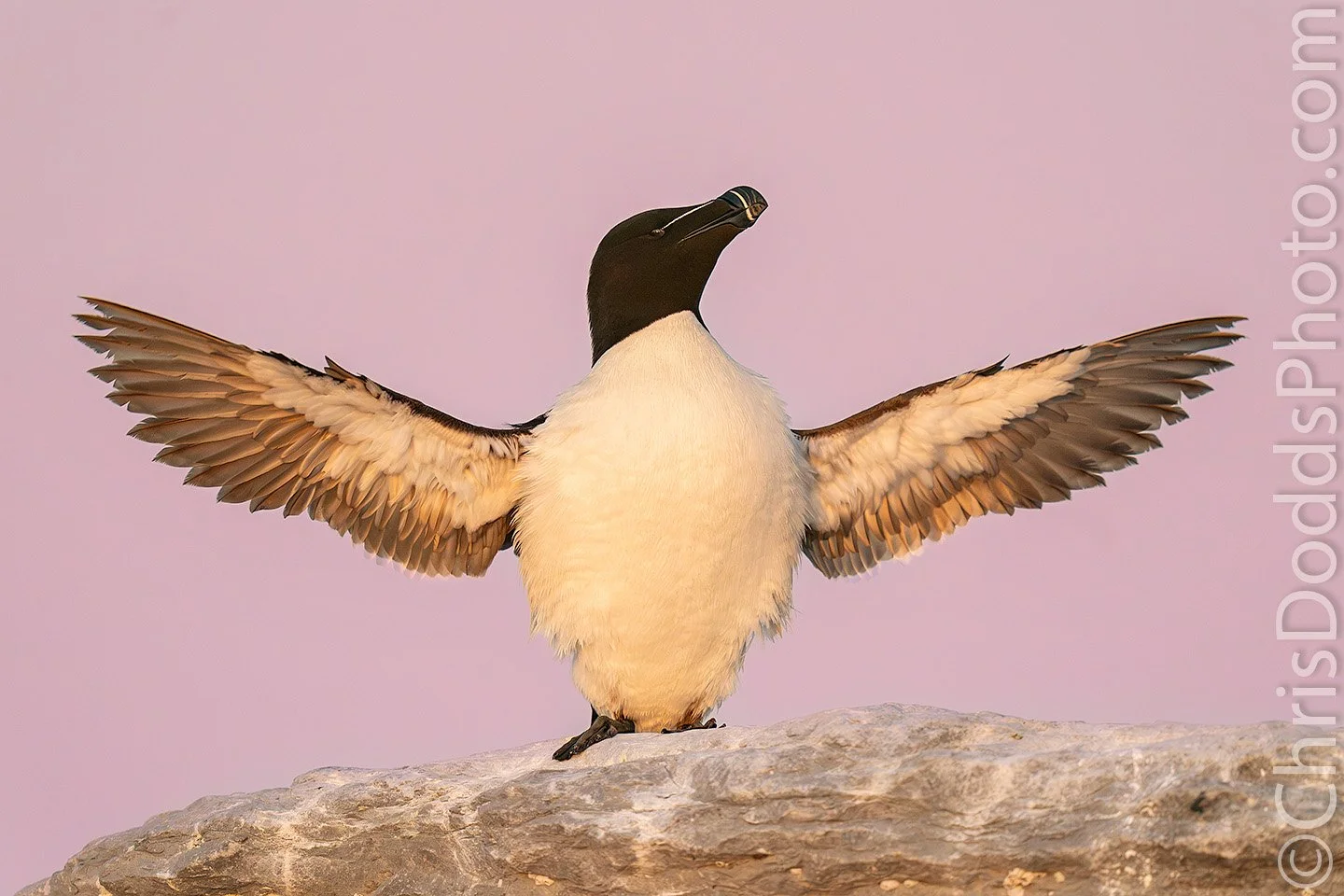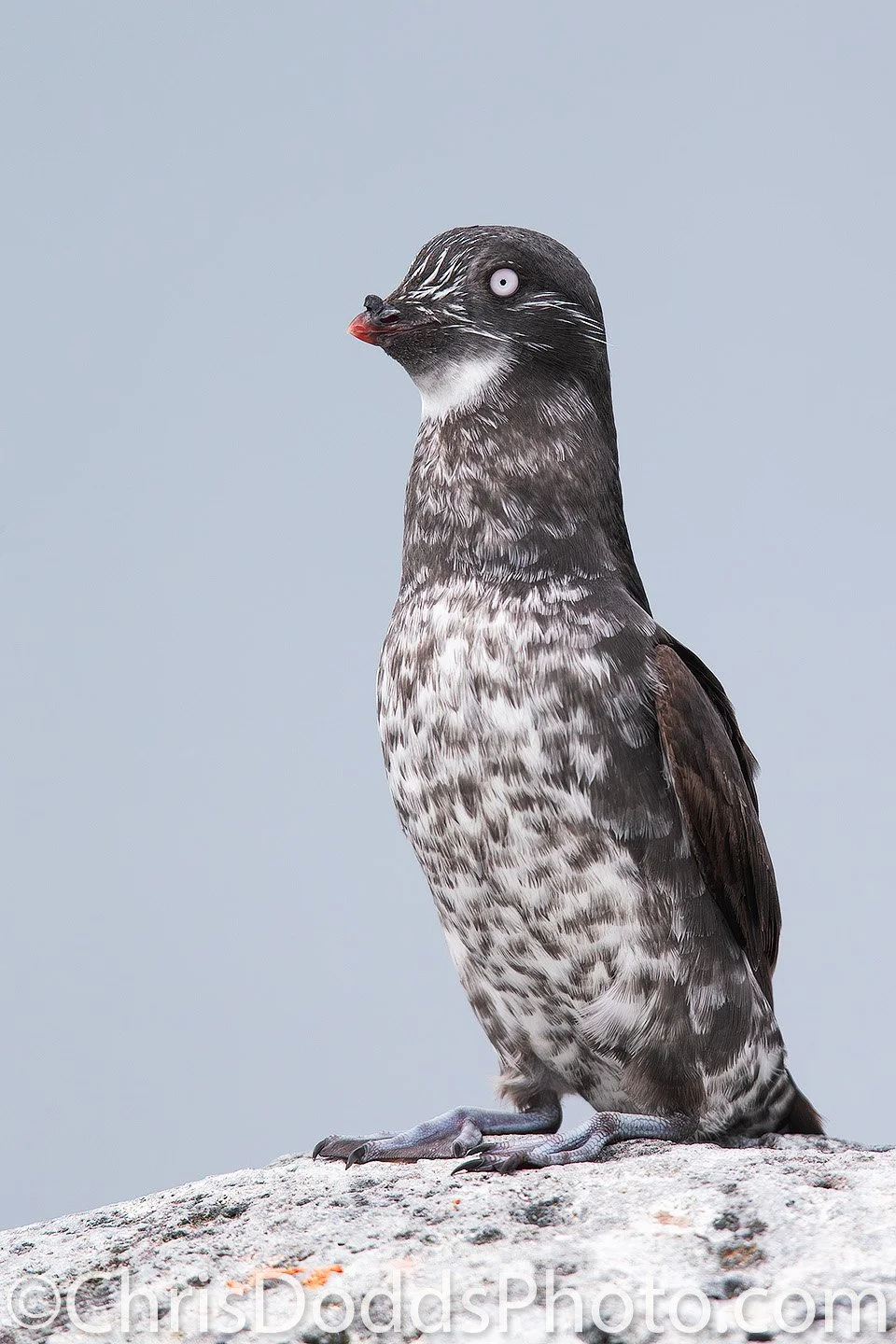
There is nothing in this photograph to provide a sense of scale. Enlarged on a screen, this Least Auklet could easily pass for a much bigger seabird.
In front of me on Saint Paul Island, it was scarcely larger than a sparrow.
At about 15 centimetres (six inches) long and weighing roughly 86 grams (three ounces), the Least Auklet is the smallest member of the auk family. Its relatives include puffins, murres, guillemots and razorbills.
A tiny seabird with plenty of character
Least Auklets spend most of their lives at sea in the North Pacific and Bering Sea, returning to remote rocky islands to breed.
This bird stood upright on an exposed rock long enough for me to make a clean portrait. The simple background and full side profile show the details that can easily be missed when these tiny birds are moving through the rocks: the pale eye, reddish-orange bill, white plume behind the eye and heavily mottled breast.
The amount of white and dark spotting on the underparts varies considerably from one Least Auklet to another. Some are almost white below, while others are much darker than this bird.
Least Auklets on Saint Paul Island
Least Auklets nest inside cracks and crevices among the boulders and broken volcanic rock of Saint Paul Island. They do not build a conventional nest. A single egg is laid on bare rock, soil or pebbles inside the protected cavity.
They feed at sea by diving for tiny marine crustaceans, primarily copepods, along with krill and other small invertebrates. Productive currents and upwellings concentrate that food around the Pribilof Islands.
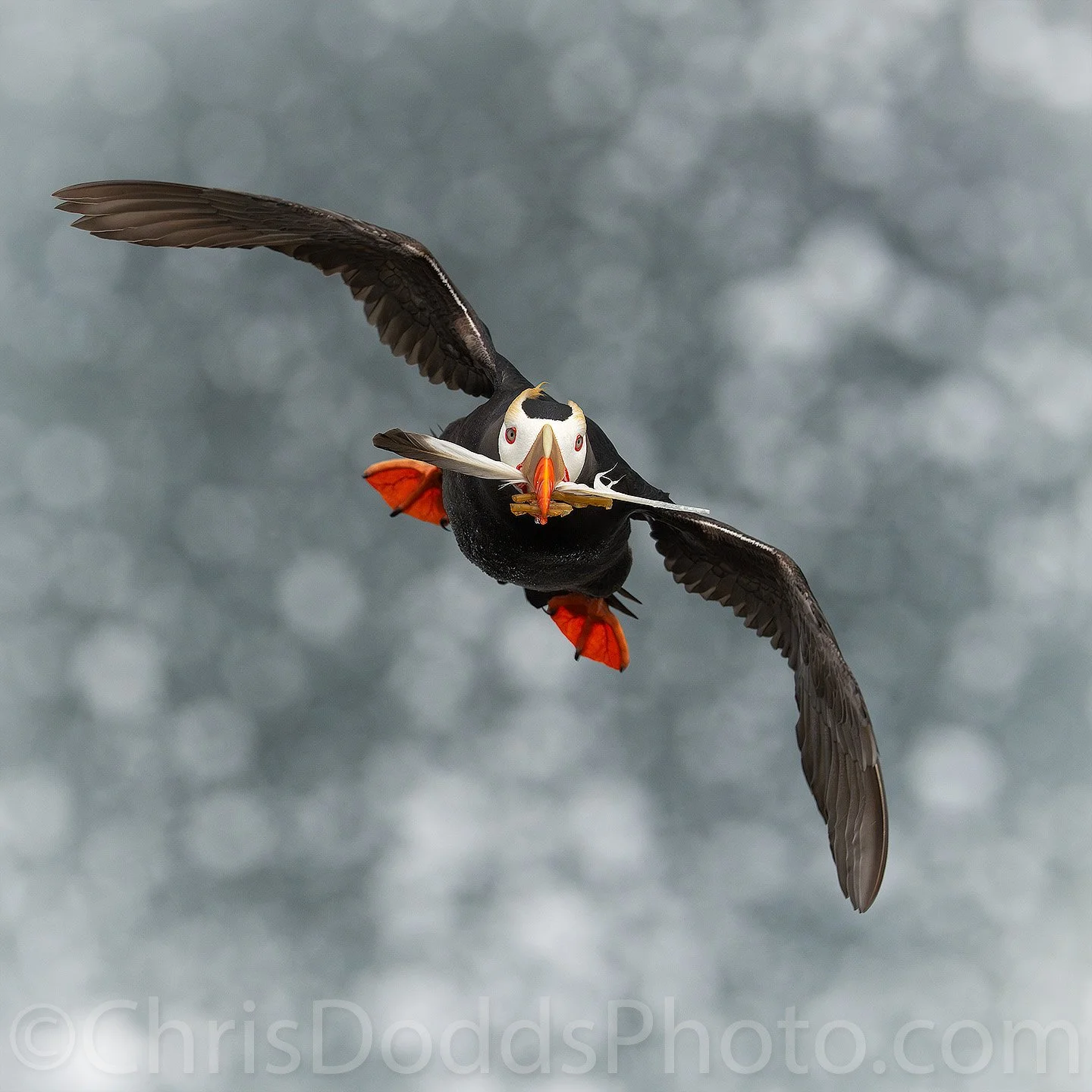
The Least Auklet may not have the immediate star appeal of a Horned or Tufted Puffin, but spending time with one changes that quickly. There is an extraordinary amount of detail packed into a bird weighing only three ounces.
Photographing the world’s smallest auklet at 1,200mm
For me, the successful photograph was not about action. It was simply a matter of waiting for one bird to stand alone on the right rock, with a clean background and a head position that showed the eye, bill and facial plume.
I used a 600mm lens with a 2X teleconverter for a focal length of 1,200mm. That reach filled the frame with this tiny bird while the distant background dissolved into a soft wash of colour.
My exposure was ISO 6,400, f/8 at 1/5,000s. The fast shutter speed preserved the fine feather detail and eliminated any movement from the bird.
That brief opportunity produced one of my favourite portraits from Saint Paul Island.
Photograph Least Auklets on Saint Paul Island
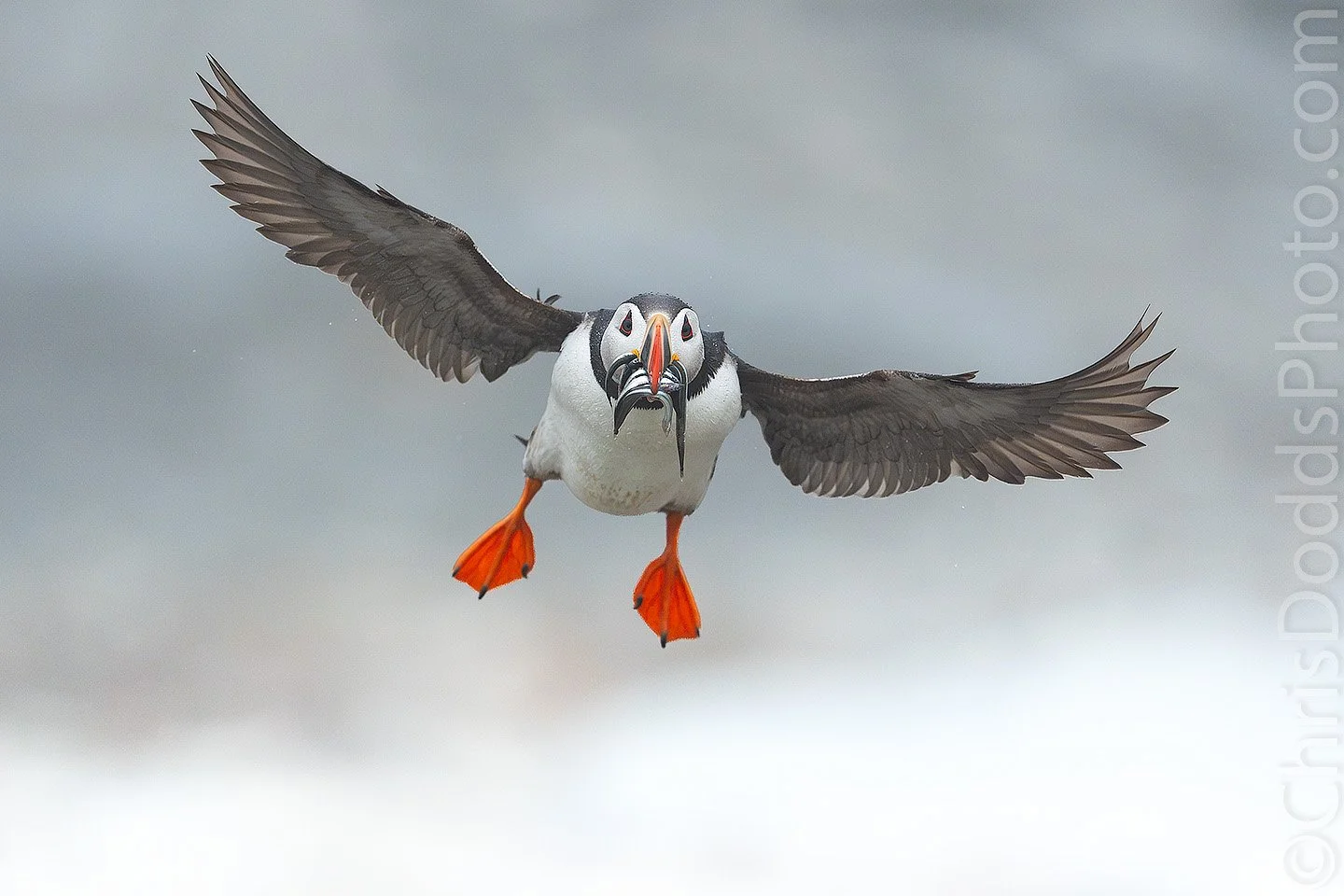
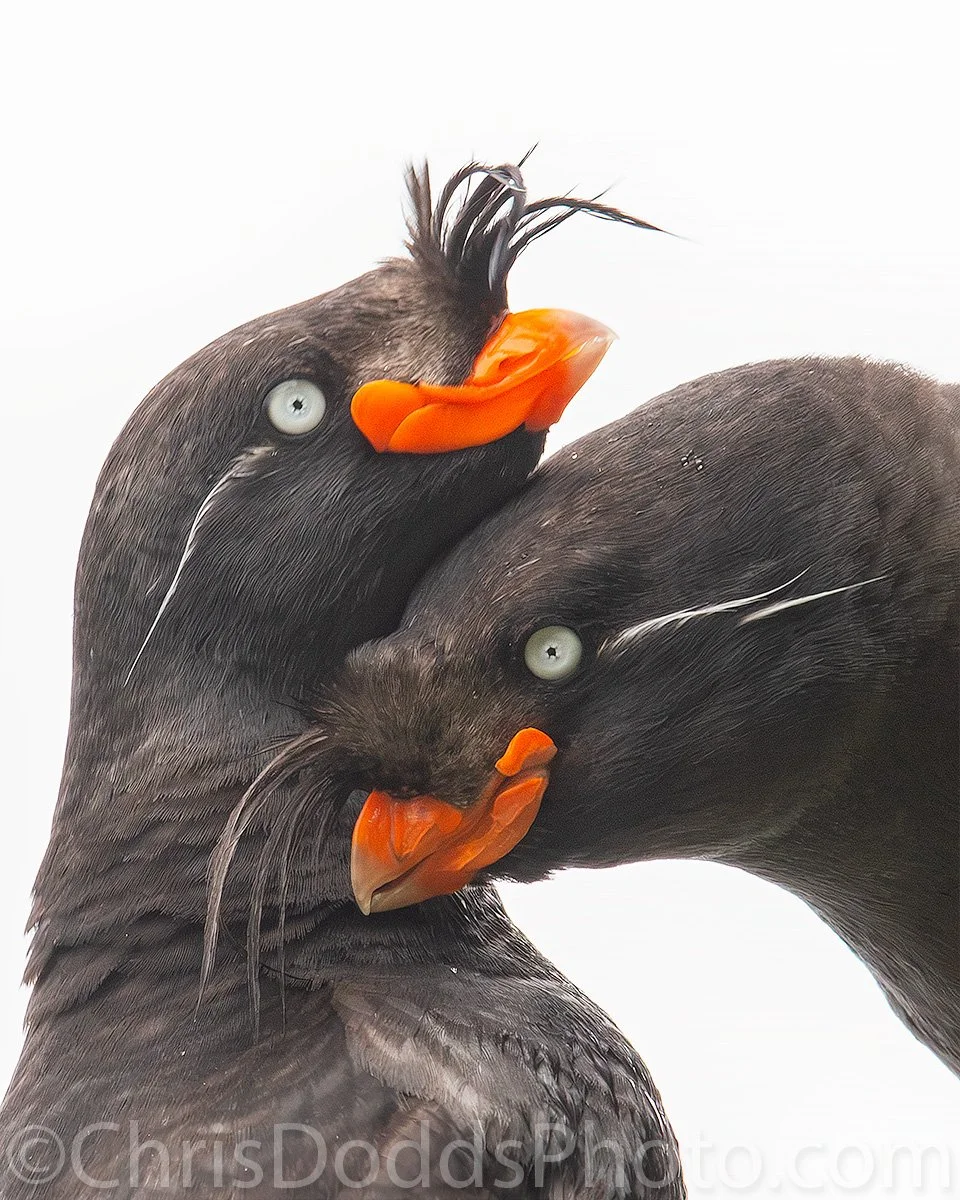
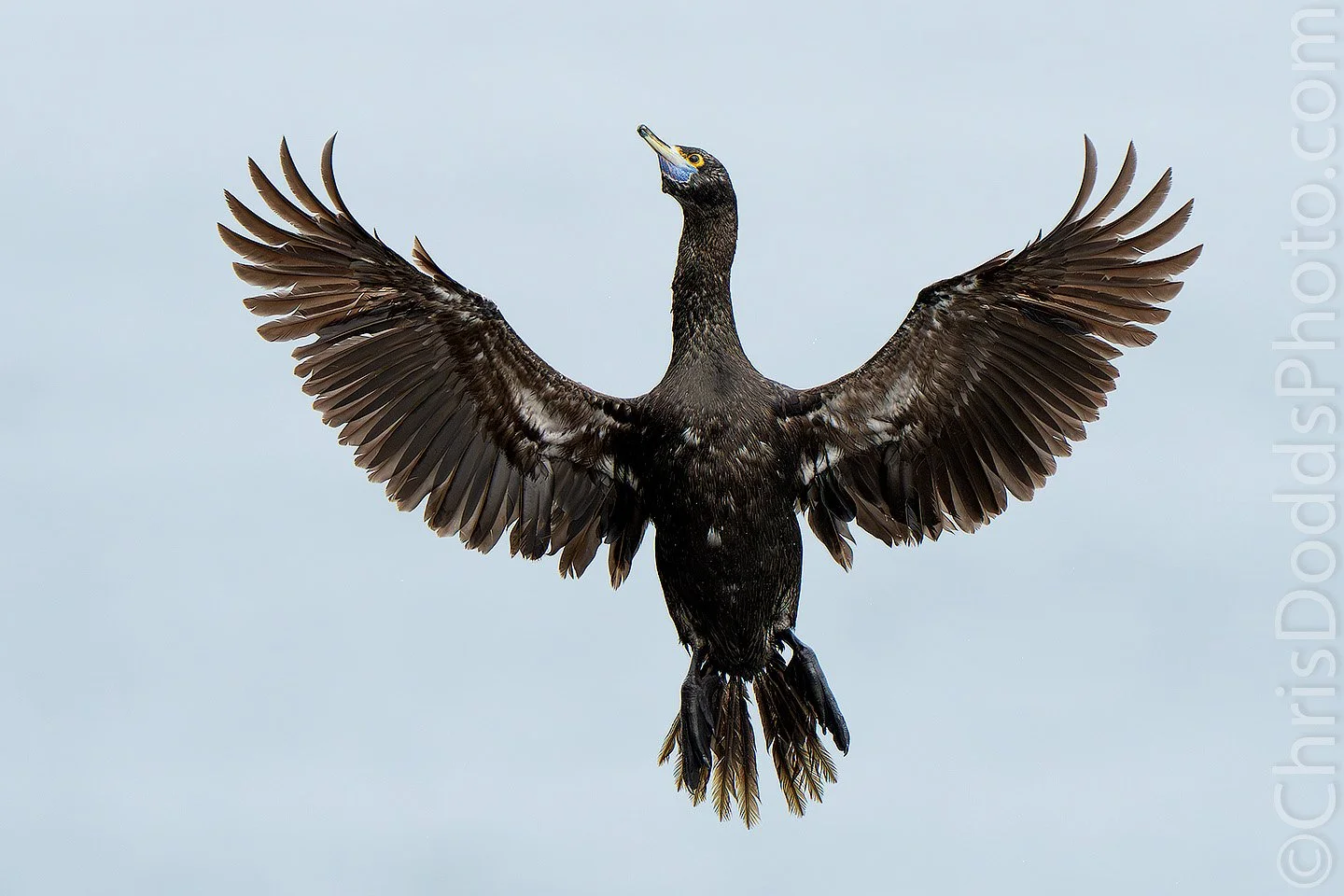
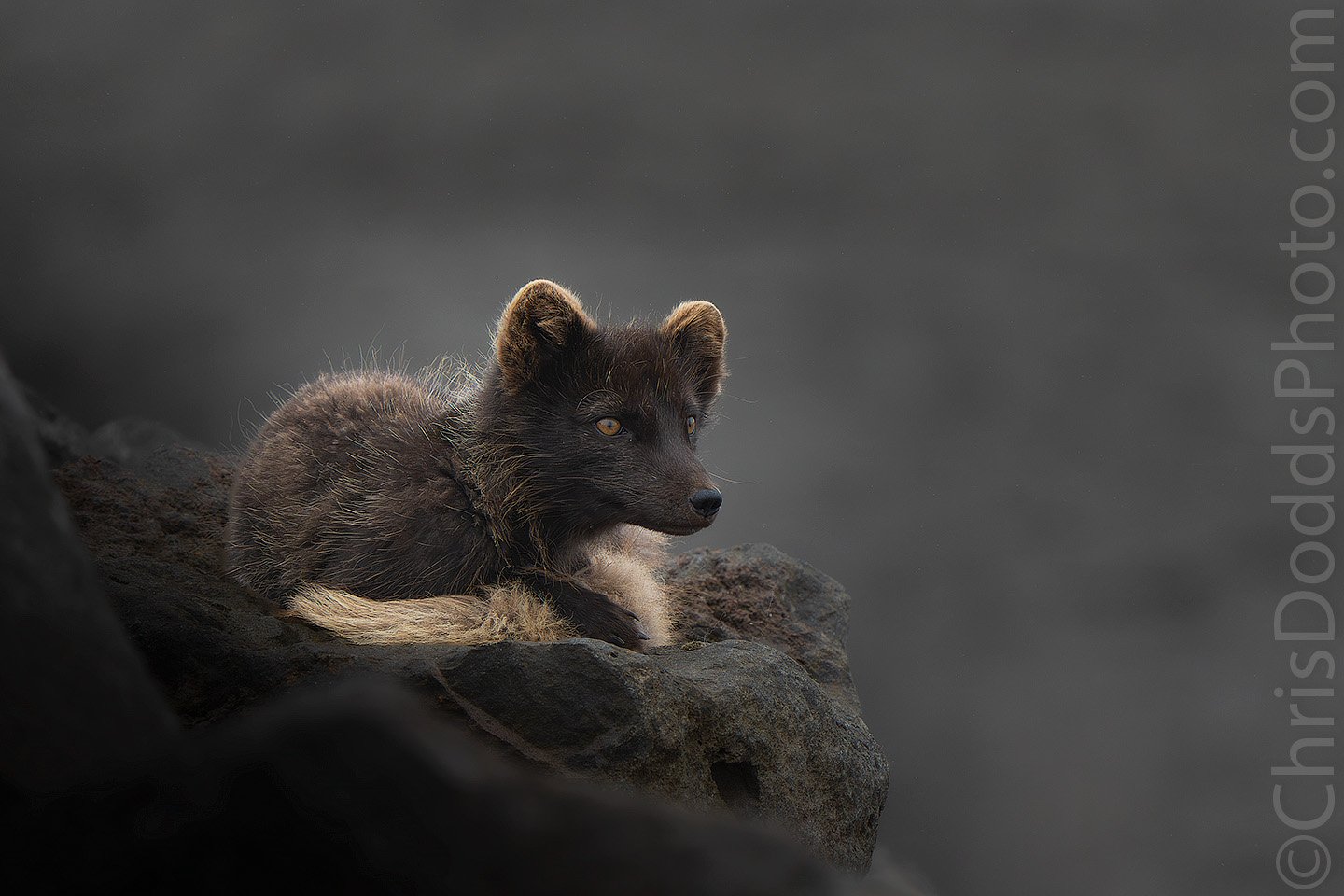
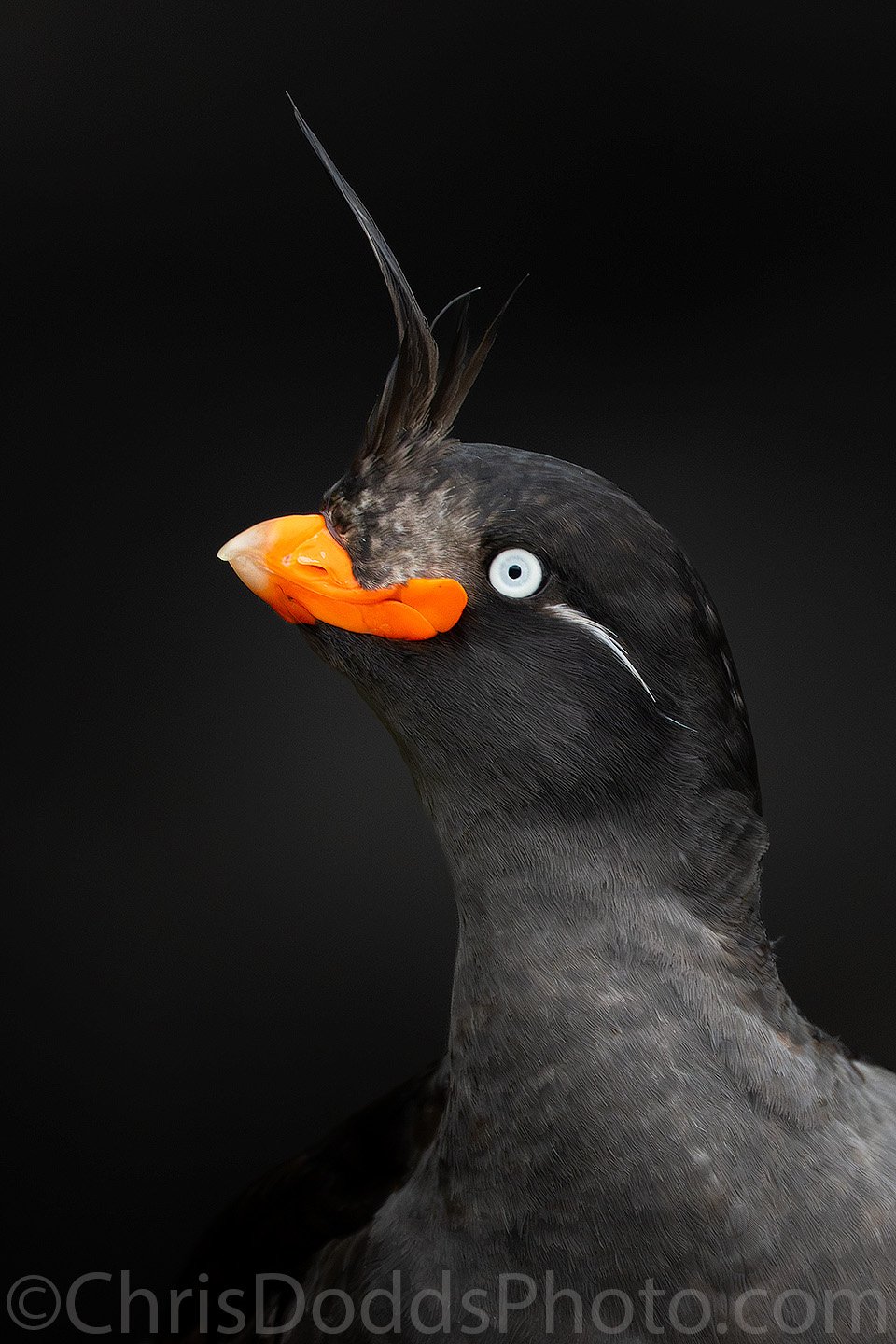
Join me on Saint Paul Island to photograph Least, Crested and Parakeet Auklets, Horned and Tufted Puffins, Red-faced Cormorants, Red-legged Kittiwakes, Northern Fur Seals, Arctic Foxes and the many other species that gather on this remote island in the Bering Sea.
My July 1–8, 2027 Saint Paul Island Wildlife Photography Workshop has only one place remaining. The July 2–9, 2028 workshop has also been announced.